Facebook Twitter Gplus YouTube E-mail
formats

An Unhappy Mess That May Be Easy To Avoid

By Robert Mueller

Vomiting and diarrhea – Cleaning up after our pets is NEVER fun for anyone. Something has caused your poor pooch to be sick whether from a one time occurrence like getting into the garbage or from years something in their diet slowly wearing down their tolerance. Either way, you are stuck scrubbing the carpet and your pet is miserable.
How did this happen and how do you get out of this mess?

Other than skin and allergy issues, which are the #1 problem that plagues our companion animals, the second most troubling issues relate to digestion and gastrointestinal (GI) disturbances.

We receive calls every week that relate to a condition called Irritable Bowel Syndrome. It is also classified as a form of colitis, a condition that is characterized by inflammation or swelling of the large intestine.
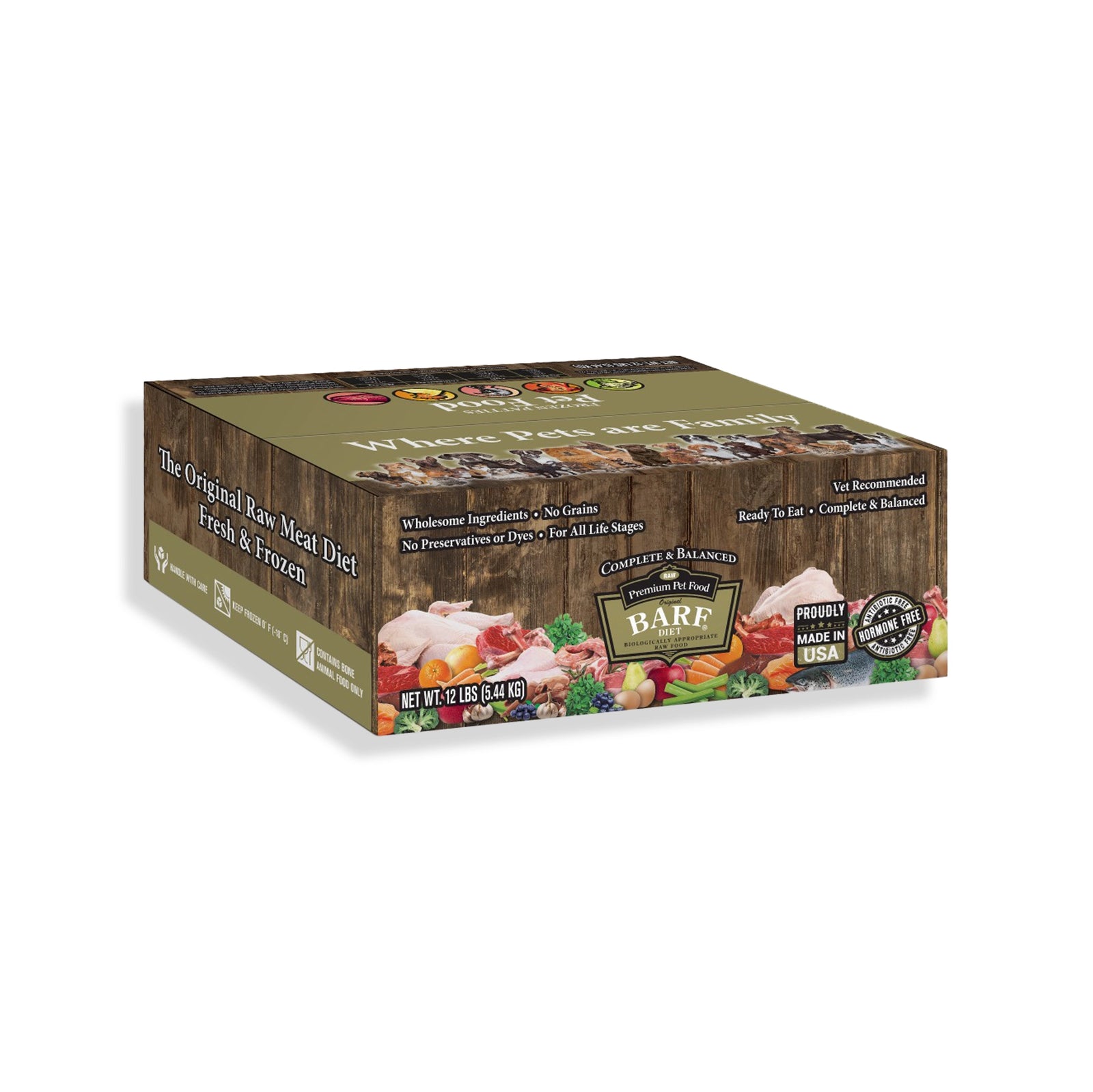
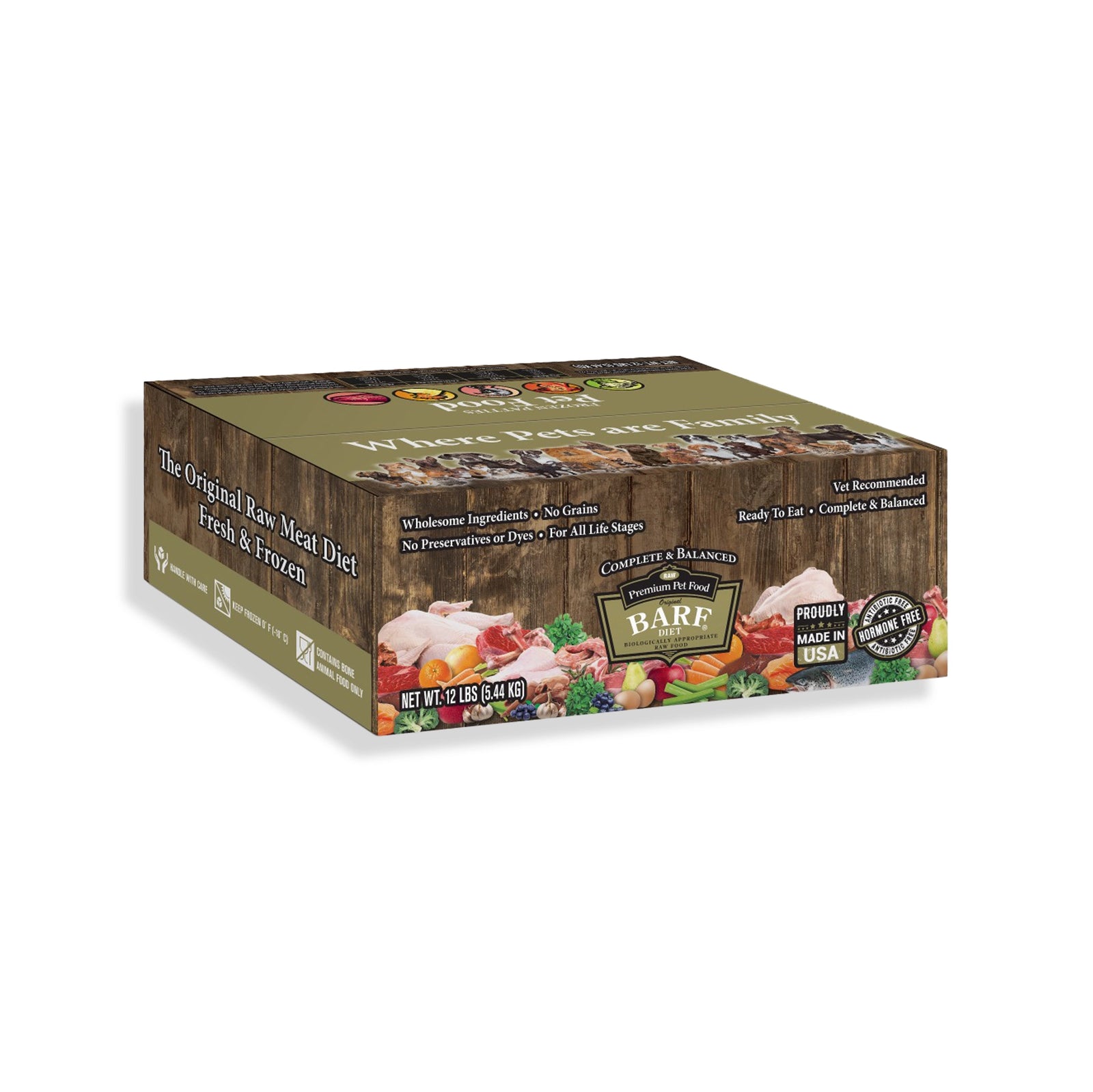
Irritable Bowel Syndrome (IBS) is called a disease of exclusion. This means that because IBS is difficult to diagnose, several other disorders have to be eliminated before a proper diagnosis of IBS can be made. The symptoms include passage of small amounts of mucous stool, a watery discharge or very soft stool and it can be sometimes associated with painful defecation and an increased frequency of defecation.

As the disease progresses, it can trigger intermittent bloating, nausea, vomiting, and abdominal pain. It comes as no surprise that a dog with this condition is reluctant to enjoy his/her normal meal which can lead to underweight issues or inappetence (lack of appetite).

There is a major difference between the occurrence of this disease between wild and domesticated dogs.

Wild dogs search and find foods that are biologically appropriate and available. They eat what nature intended for them and as a result do not normally suffer from these types of digestive issues.

On the other hand, domesticated dogs are fed whatever their companion guardian elects to feed them. In this case, the domesticated dog may be subjected to many factors that he wouldn’t normally be exposed to in the wild such as a diet full of chemicals, pesticides, flavoring agents, fat sprays, and fillers. Do you suppose that a dog whose diet that is excluded from all these harmful agents would have less chance of getting this disease?

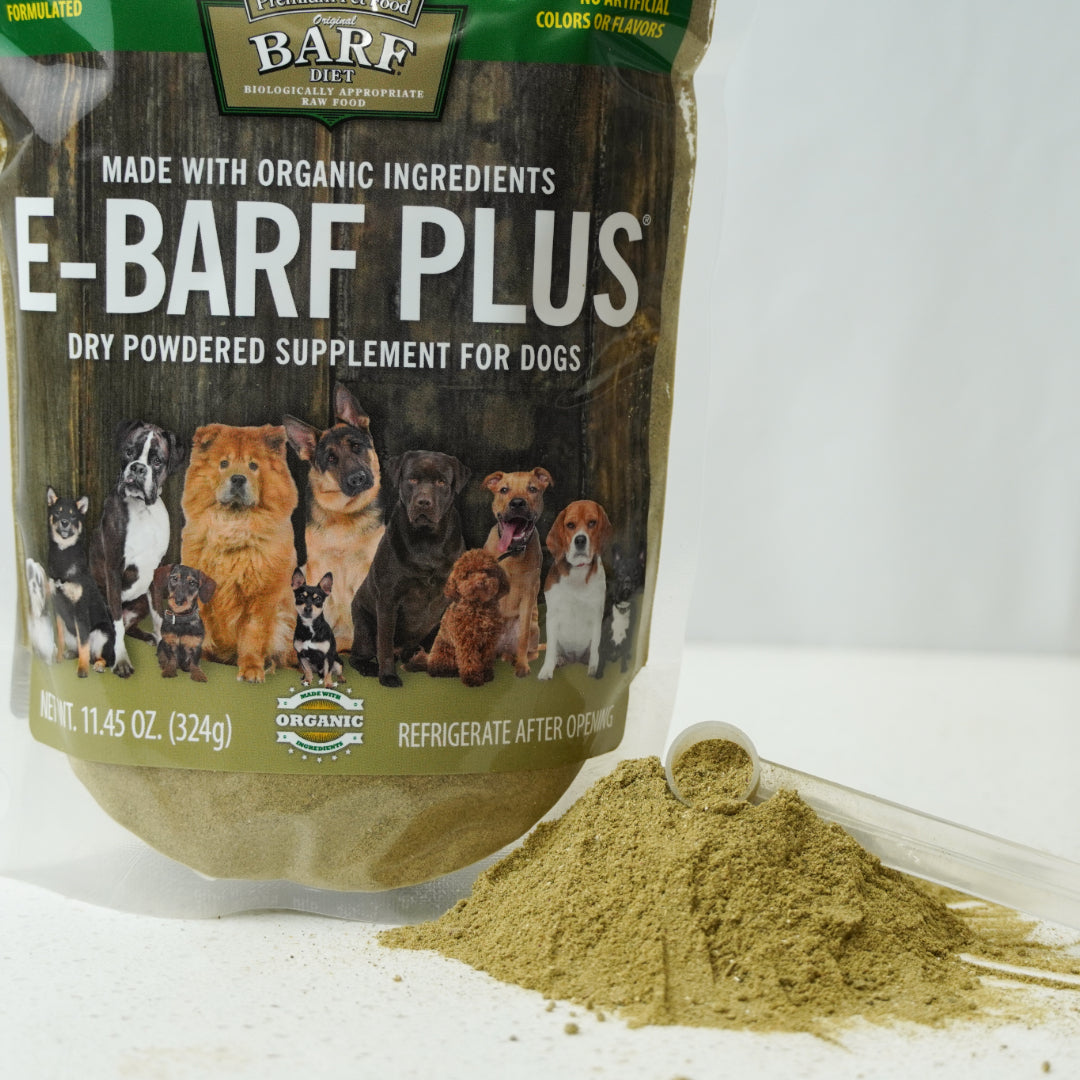
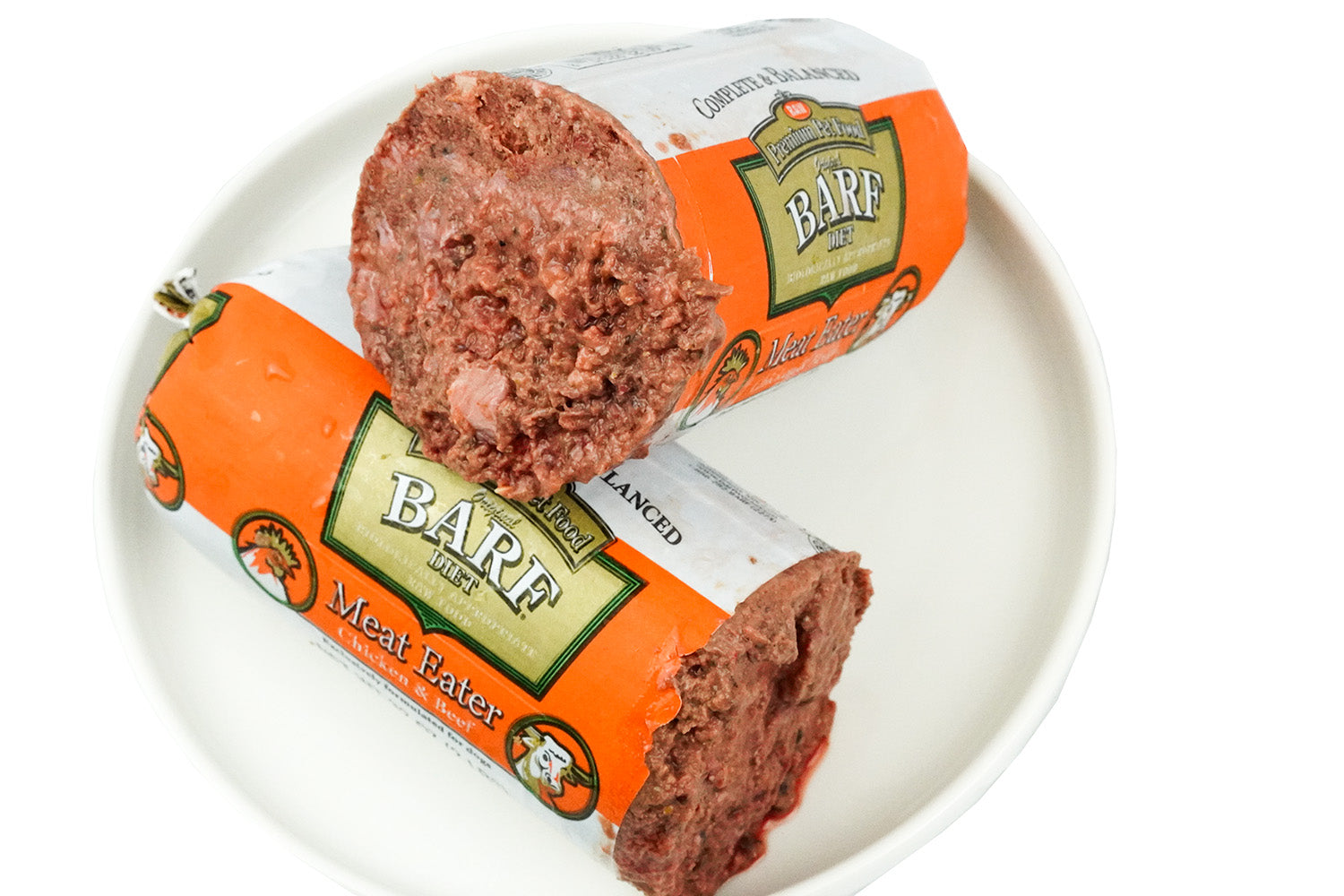
Give your pet a fighting chance to avoid painful upset by adding a digestive aid, like E-BARF Plus, to their diet – whatever that diet may be!

The conventional vet treatment for this condition includes diarrhea medication, antibiotics, and steroids to reduce any inflammation. This may be necessary in the most extreme cases however; alternatively, the holistic vet approach is to supplement the animal’s meals with dietary fiber. Many holistic vets will recommend adding crushed flaxseeds to the raw food diet for its fiber and omega-3 content.

For the instances of an upset stomach, which may include nausea, constipation, indigestion, vomiting or diarrhea, there is a potent homeopathic remedy called Nux Vom available. This is an item that we recently found to be fantastic for treating our canine friends AND for humans as well. This can even be used for flatulence – no more blaming it on the dog when there is such a simple cure. Grab a bottle of Nux Vom today at its limited sale price of $13.97!

Robert Mueller, BSc, Pharm. is a registered pharmacist, author of “Living Enzymes: The World’s Best Kept Pet Food Secret”, and co-developer of BARF World’s BARF diets patties, nuggets and supplements – the first company to make the Biologically Appropriate Raw Foods (BARF) diet conveniently available to animals everywhere. He and his wife love to travel around the world with their dog, Moxie – a Yorkshire Terrier/Maltese mix. For more articles like these and to learn more about the benefits of raw food for your pets, sign up for “The Intelligent Pet” monthly e-zine at barfworld.com/ezine

 
 Share on Facebook Share on Twitter Share on Reddit Share on LinkedIn
No Comments  comments 
formats

Your Pet’s Stool Is The Barometer Of Their Health

Your Pet’s Stool Is The Barometer Of Their Health
By Evan Price

There are many ways that pet parents can determine if their pet is healthy. Some may observe that their dog looks toned, with no flab around the midsection, and just the right amount of rib showing. Others will note the energy level of their dogs, often expressing that their raw-fed dogs behave several years younger then their true biological age. But there is another, albeit less glamorous way to determine how healthy your pet really is.

A Healthy Stool Looks Like What?
According to BARF Diet® co-creator, Robert Mueller, the true barometer of health is your pet’s stool content. Stools should be firm, as they are basically comprised only of ash and fiber. This will give the stool a chalky white appearance. Stools should also be small in volume and mild in odor. When all of these factors appear on a regular basis, you can be sure that the body is properly utilizing nutrients and processing the waste effectively.

Now, if your dog has an irregular stool here or there, it is not necessarily cause for concern. Every dog will have an irregular output from time to time, especially if something irregular was ingested to begin with. If your dog started eating dirt, rocks or grass, tracked down and ate a squirrel, or just got ahold of some table scraps when you weren’t looking, there is probably nothing to worry about. But if flatulence, diarrhea, or constipation persists, then it is time for further investigation.

Signs Of Possible Trouble Ahead
Continued irregularity is an indicator that nutrients are not being absorbed properly. It’s interesting to note that this issue is not common in dogs fed the BARF Diet®, and is much more common when a dog consumes a canned, cooked, or kibble diet.

Why?

These alternative diets lack many of the digestive enzymes and nutrients that your pet needs. Because these diets take roughly twice as long to go from mouth to tail, there is more time for fermentation and bacterial growth in the digestive tract.

While runny stools, bad gas, or an excessive struggle to produce stool (constipation) are short-term drawbacks to poor digestion, this can lead to more serious issues down the road. Cancer, allergies, and Irritable Bowel Disease (IBD) can all be linked to improper nutrient utilization.

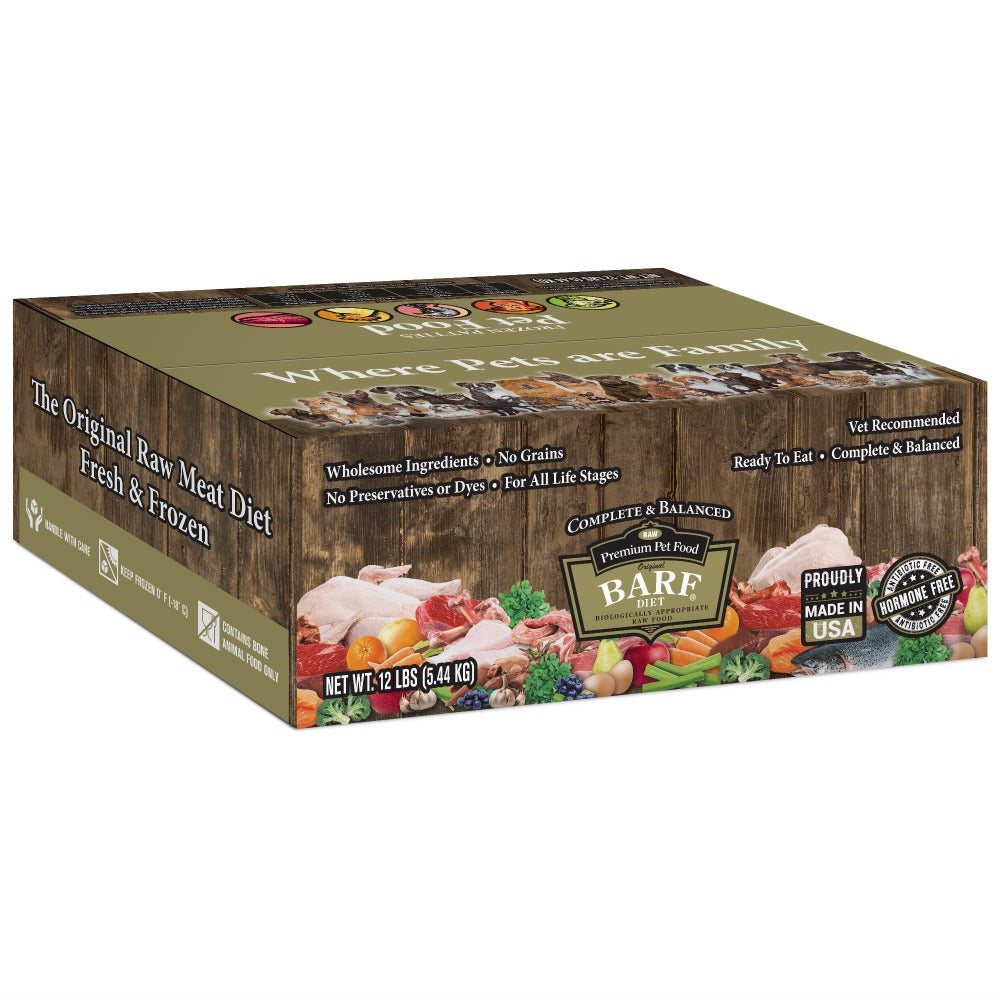
A raw whole food diet (such as BARF World’s BARF Diet®) can help your dog to be healthy and strong, both inside and out…this is evidenced by a healthy stool.

Ideas For Added Digestive Support
If your dog is not moving a healthy bowel, it suggests that there may be a problem, and there is definitely something that can be done about it. Switch your pet to a raw whole food diet (the BARF Diet®) to help maintain a strong digestive system.

Something else that will help with this problem is a probiotic supplement, much like BARF World’s E-BARF Plus probiotic supplement. This promotes a healthy level of bacterial flora in the gastrointestinal track, which aids in the digestive process.

Until next time…happy BARFing!

Evan Price is a Raw Diet Educator for BARF World Inc. He is a true dog lover at heart with a particular interest in Daschunds. Evan is also an avid sports enthusiast and bridge player. For more articles like these and to learn more about the benefits of raw food for your pets, sign up for The Intelligent Pet weekly e-zine at www.barfworld.com.

Bark Out Loud

DNA Tracking Incurs Poop Fines For Irresponsible Pet Owners

Apartment complexes in Texas have heard the woes of their tenants on the topic of abandoned dog poop. They are now using DNA tracking to find owners who are not doing their duty of picking up after their dogs and sticking them with hefty fines. These same policies could be coming to your town next!- CLICK HERE.

Wags of Wisdom
“Dachshunds are ideal dogs for small children, as they are already stretched and pulled to such a length that the child cannot do much harm one way or the other.”
-Robert Benchley, actor and author (1889-1945)

“A dog can express more with his tail in minutes, than his owner can express with his tongue in hours.”
-Author unknown

 
 Share on Facebook Share on Twitter Share on Reddit Share on LinkedIn
No Comments  comments 
formats

Constipation On A Raw Diet: A Stop And Go Solution

When it comes to digestive upset, there are three basic symptoms that trigger a pet owner’s frantic phone call to my office: diarrhea, vomiting, or constipation. Many new BARFers expect that every bowel movement that their pet has will be of perfect consistency, volume, odor, and regularity… but much like human anatomy, this is not always possible.

There are several factors that can cause a dog’s digestive situation to change. The most common scenario is the consumption a variety of foreign materials. Let me give you an example: I have a Yorkie/Maltese mix named Moxie. Moxie just LOVES to eat ink pens, reading glasses, leftover food scraps – or a variety of whatever is left on the coffee table. As a result, her regularity is going to be affected because of the drastic changes in her diet.

Many of my past blogs have dealt with diarrhea and vomiting. Sometimes though, digestive upset can appear in the form of constipation. When no specific disease is present, constipation is most likely “functional”, or resulting from factors that may encompass physical, dietary or age related factors. I have observed the nutritional deficiencies caused by the ingestion of dead, processed, enzyme-less food (kibble and canned pet foods). This can affect the nervous system, digestive system and can be a significant contributor to constipation.

Several requirements are needed for normal bowel function. They include:
Consuming sufficient amounts of fluid (water). A raw diet contains 70% moisture – as opposed to a kibble diet that contain, at most, 10% moisture. When you feed kibble, your pet must obtain the required amount of water from external sources, such as their water bowl. Unfortunately, this water source is not as easily absorbed by their bodies as is water consumed from a raw diet.
Consuming adequate and varied amounts of dietary fiber. Proper amounts of fiber regulate digestion and prevent constipation. Alternatively, not enough fiber can cause diarrhea or loose stools. This is why feeding a 100% meat diet is not appropriate. There should be some vegetable matter as well to give your pet the necessary fiber for regular digestive relief.
Obtaining ample quantities of nutrients for gastrointestinal health and function. Nutrients obtained from quality sources and of an appropriate nature for the species are key to proper health and a strong immune system.

Good bowel bacterial health and support. Sources of healthy bacteria are needed for adequate digestive health. It is hard to maintain a healthy bacteria environment with a diet that is of a sterile nature (ie. cooked, kibble, and canned pet foods).

It takes all of these requirements to maintain a healthy colon and provide normal bowel function. Disrupt any of these requirements and the end result is diarrhea, vomiting or constipation.

The consumption of a raw meat diet will yield a different stool formation than dogs being fed a kibble diet. One of the first things a new BARF customer observes is the difference in stool volume. One can immediately see about 30% less stool volume than what is produced from a kibble fed diet.

Why is that?

Dry pet food diets are loaded with fillers and hard to digest ingredients. The raw meat diet will be far more utilized in the digestive cycle and the resulting stool will be comprised of basically ash and fiber. You can actually see the dramatic difference right away and soon realize that there is much better ingredient utilization with this natural diet. The actual digestion time is almost cut in half compared to feeding kibble.

But the real advantage gained from feeding a raw diet is the elimination of toxins in the body. A real simple explanation is this: the less time food stays in the body means less time the food has to ferment and build up any unwanted toxins.

All that aside, I do need to highlight how constipation may exist with the BARF diet.

We have all personally experienced a difference in stool formation, especially after eating a meal that is not regularly part of our normal routine. Go out for a night on the town and consume a 16 oz. prime rib steak or feast on a banquet of Mexican food and tell me if you don’t see a difference the next morning.

By consuming a product that alters the normal peristaltic activity of the gastrointestinal (GI) track, diarrhea or constipation ensues. Because our diet does have a tendency to form a more solid stool, it can sometimes temporarily result to some slight constipation. We always warn new customers that the expected stool formation may be firmer and have the color / consistency of white ash. The goal is to have an easy elimination process without straining and creating a blockage. Diets that contain ground bone will have a tendency to bind up and make a firmer stool.

Several natural additives can be used to regulate the elimination process. Canned pumpkin works well to eliminate the firm stool or even extra fruit can ease the condition. The point I would like to make is that the stool is a barometer of the animals general health. However, an occasional difference either from diarrhea, constipation, or vomiting is not usually something that demands a quick trip to the vet. Proper exercise and staying on a natural, high quality, raw meat diet will produce abundant health benefits and will normally eliminate the three factors triggering a phone call to our customer service department.

Robert Mueller, BSc, Pharm. is a registered pharmacist, author of “Living Enzymes: The World’s Best Kept Pet Food Secret”, and co-developer of BARF World’s BARF diets patties, nuggets and supplements – the first company to make the Biologically Appropriate Raw Foods (BARF) diet conveniently available to animals everywhere. He and his wife love to travel around the world with their dog, Moxie – a Yorkshire Terrier/Maltese mix. For more articles like these and to learn more about the benefits of raw food for your pets, sign up for “The Intelligent Pet” monthly e-zine at barfworld.com/ezine

 
 Share on Facebook Share on Twitter Share on Reddit Share on LinkedIn
1 Comment  comments 
formats

“What could be causing my dog’s sudden upset tummy symptoms (diarrhea)? He’s normally so healthy and eats a good diet.”

We are happy to introduce you to Dr. Cathy Alinovi, who graciously accepted our invitation to write for us today.

Even dogs on the best food can have tummy upset from time to time. So, let’s go through the list of questions that help get to the bottomline:
How old is your dog? A pup with diarrhea can be big reason to worry, especially if your pup isn’t fully vaccinated. Now, there is all sorts of evidence that annual vaccines are excessive, but there is also good evidence that pups need more than one puppy vaccine against distemper and (more importantly and scary) parvovirus. There are also frightening bacterial infections that look a lot like parvovirus infections – and lead to nasty, life-threatening diarrhea.

Other reasons for diarrhea in a pup: intestinal worms, change in diet and dietary indiscretion.
Dietary indiscretion is a fancy term for when a dog eats anything that doesn’t eat him first.
Adult dogs can be victims of dietary indiscretion, too. In either case, a day with only water should help clear up the squirts. Also, pumpkin can help normalize intestinal function and there are some nice intestinal adsorbents, like bentonite clay.

If vomiting goes along with the diarrhea – stop all food and water for 24 hours. If the vomit continues, it’s a medical emergency. If no vomiting after 24 hours, then give just water for 24 hours. If no vomiting after that time, then feed small amounts of food. If vomiting resumes, it’s a medical emergency.
An older dog with tummy problems can be a sign of something more serious. An older dog is one over 6 to 8 years, depending on breed. What color is the stool? What does it smell like (is it a horrible smell or just a bit smelly? Is it mucusy or watery? Is it many small spots or a few large pools of waste material? All of these things help identify what is going on in your dog’s guts. Diarrhea for more than 1.5 days makes me worry. Diarrhea in an older patient can be a sign of heart disease, kidney disease and even cancer.

Like us, our pets can get intestinal flus. Like us, it should only last a day or two. And, like us, vomiting leads to dehydration and worse illness.
Any question? Call your vet and describe all of the above – make sure your precious pup doesn’t get worse. And, as always, when he or she is feeling better, keep feeding excellent food!

Dr. Cathy Alinovi, veterinarian, pet lover, and nationally celebrated author knew she wanted to be an animal doctor since she was nine years old. Her mission then was simple: to make the world safe for dogs; and her mission now — Healthy Patients! She began her veterinary education at the Purdue University School of Veterinary Medicine and also holds a Master of Science in Epidemiology from Purdue. Dr. Cathy is also certified in Veterinary Food Therapy, Veterinary Acupuncture, Chinese Herbal Therapy, and Aromatherapy. Her extensive training and education allows her to offer your four-legged friend the benefit of cutting-edge veterinary services as well as the incredibly effective support of ancient alternative medical treatments like chiropractic care or acupuncture. Dr. Cathy’s approach provides whole body support through both the best in veterinary medicine as well as high-quality, all-natural foods, supplements, and health care products. Hoofstock Veterinary Service is owned and operated by the passionate pet lover and nationally recognized veterinarian, Dr. Cathy.
Follow Dr. Cathy on Twitter

 
 Share on Facebook Share on Twitter Share on Reddit Share on LinkedIn
No Comments  comments