






|
The BARF
DIET
Getting down to natural ingredient specifics and benefits...
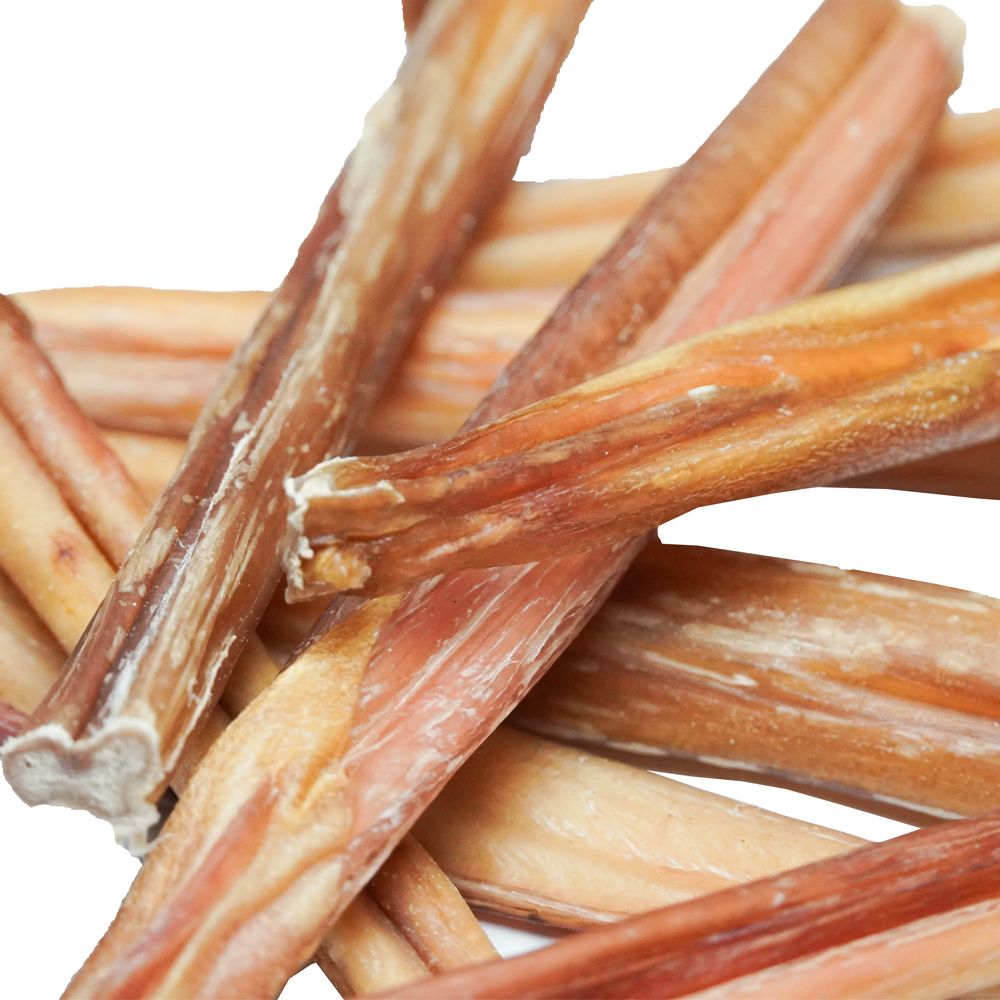
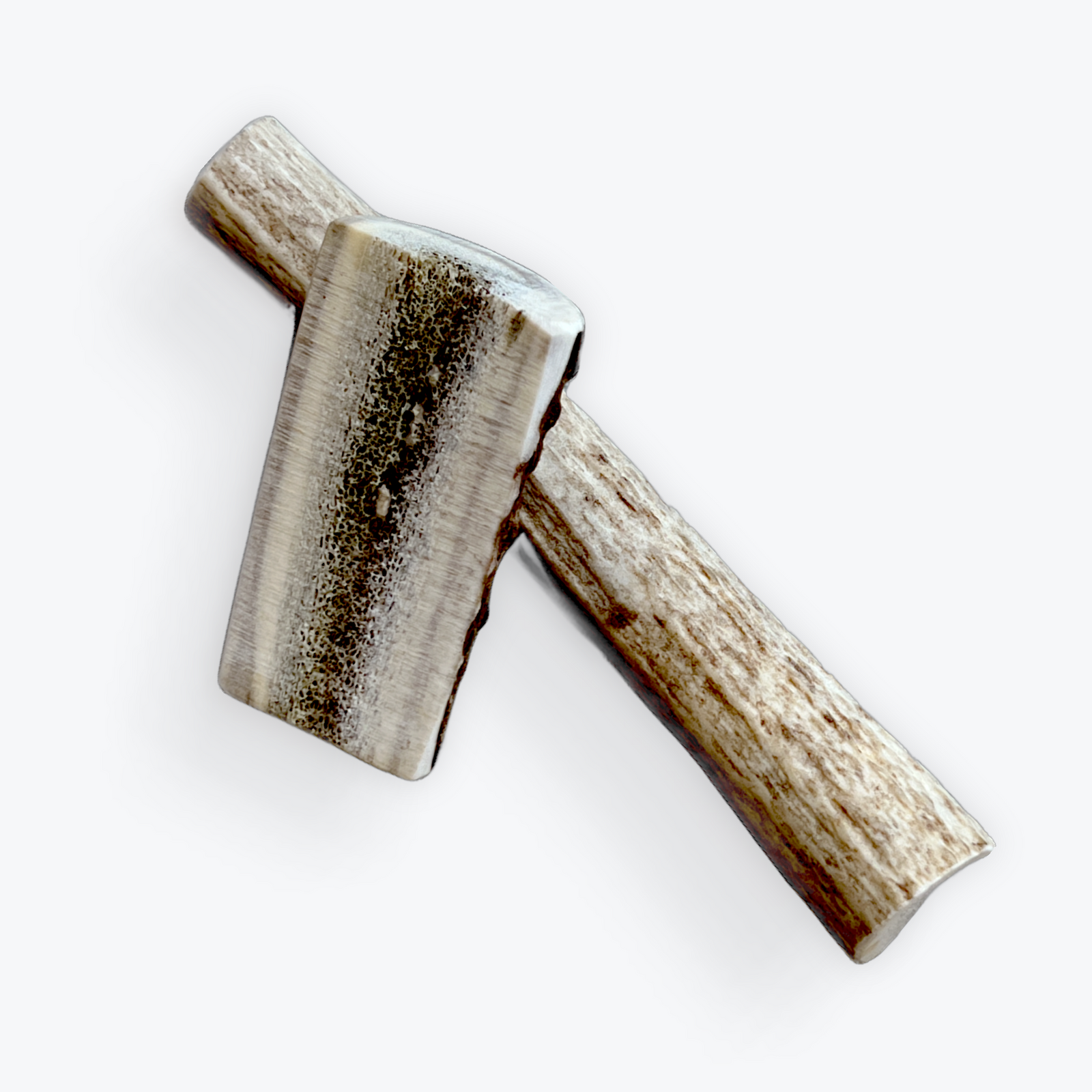
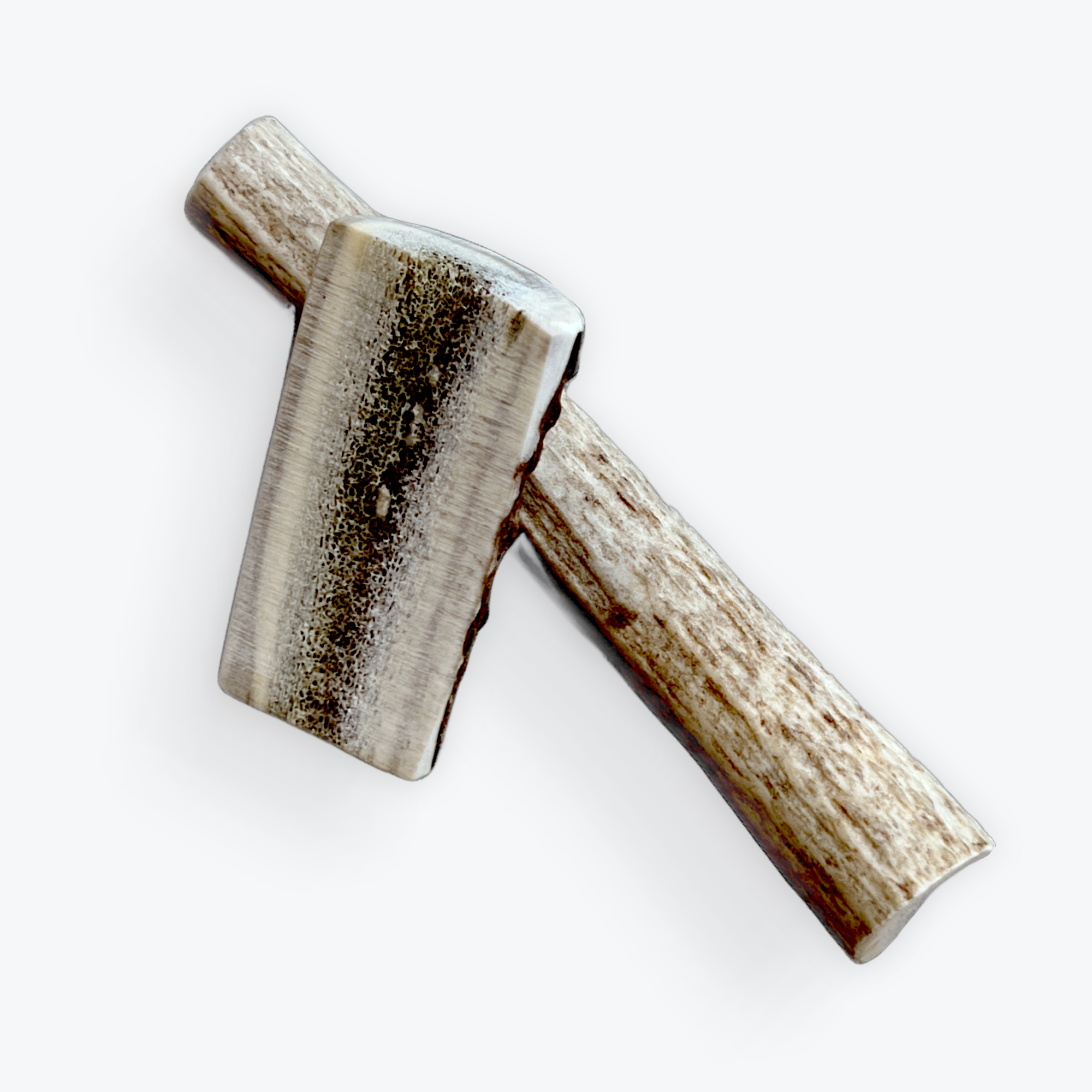
BONES
For millions of years, dogs have cleaned up the remains of
other animal's bodies, including the bones. That ability remains with modern dogs that easily and joyfully tackle bones. A dog's
whole system is designed for and in fact needs bones to function
properly. Bones are living tissue composed of living cells.
Because bones are living tissue, just like any other part
of the body, they are a complex source of a wide variety of
nutrients. Bones contain minerals which are embedded in protein.
They also contain fat. If the bone is from chicken or pork,
then that fat will be very high in the essential fatty acids.
Along with the fat are fat-soluble vitamins. The central parts of most bones contain marrow, which is a highly nutritious mix of blood forming elements, including iron. Raw bones also
provide natural antioxidant/anti-ageing factors including
enzymes.
"It is not hard to pick the dogs that eat bones. They look and act healthy.
The acid test however, is to look in their mouth and smell their breath.”
Bones
are nature's storehouse of minerals for your dog. If meat
is added to bone, then methionine and most of the B vitamins
are supplied. Puppies and adult dogs fed bone rarely if ever
suffer from indigestion or diarrhea. They produce smaller
quantities of solid minimally offensive stools. It is highly
probable that bones play a similar role to fiber, that is,
a role of bulking out the food, thereby removing toxins and
promoting general bowel health. Bone eating dogs are long
lived healthy dogs. They seem to be particularly free of the
degenerative diseases of old age.
MEAT
Many people assume that a dog's natural diet is a meat only
diet.
Unfortunately this is untrue as a meat only diet is highly unnatural and unbalanced.
Meat should form only a part of the over-all healthy diet, which should include bone,
fruits, vegetables, offal and other supplements as well. For example, the muscle meat eaten by wild dogs
forms a small part of the diet that consists of a wide variety of other foods,
including bone.
What nutrients are in meat?
Meat supplies
protein
That is its major role in healthy nutrition. It also supplies varying
amounts of fat, water, and some vitamins and minerals. Because
it supplies fat and protein, it also supplies energy. Meat
is first class protein. That is, it contains all the essential
amino acids necessary for dogs of all ages, including growing
dogs, pregnant dogs, female dogs feeding puppies and of
course not-doing-so-much-dogs.
Meat supplies
energy
There are no carbohydrates in meat. That is no starch, sugar or fiber. As the fat content rises, the percentage
of water drops and so does the protein. As the fat content
of the meat rises so does the energy it can supply to your
dog. The fat in different types of meat varies in the levels
of essential fatty acids present. Chicken and pork have
the highest levels while lamb and beef are both low. Lamb
usually contains more essential fatty acids than beef, but
only because it has more fat.
Meat supplies
some minerals
Raw meat is low in sodium and high in potassium. That is
good news for dogs with heart problems. The meat with the
lowest sodium is beef, with pork also being fairly low.
The meat with the highest potassium is pork, with chicken
having the lowest potassium levels. This makes pork a good
all round meat for heart patients. Beef, lamb, chicken and
pork meat are all very low in calcium and moderately low
in magnesium. This means they are great foods for dogs prone
to bladder stones. However, this lack of minerals requires
bone material in your dog's diet. Beef and lamb meat are
relatively well endowed with zinc, making them good foods
for dogs with a deficiency of zinc. Chicken has low zinc
levels with pork containing more than chicken but not as
much as lamb and beef. Of the meats, beef is the best source
of iron.
OFFAL
In the wild, dogs eat the stomach content and organ meat from
the animals they prey upon. In fact, internal organs form
a vital part of the wild dog's diet. Modern dogs have similar
requirements. Dogs consuming these foods as part of a sensible
diet have superior health to dogs that do not eat them. Although
organ meats are valuable dog food, they are not required in
huge amounts. They are a concentrated source of many essential
nutrients and are particularly valuable during times of growth,
reproduction and stress as a source of concentrated nutrients.
Liver
In this one product is a vast range of important nutrition.
Liver is the most concentrated source of vitamin A and should
be fed in small amounts on a regular basis. It also contains
vitamins D, E, and K in substantial quantities. Liver is
an excellent source of the minerals zinc, manganese, selenium
and iron. It also contains all the B vitamins, particularly
B2, B3, B5, biotin, folacin, B12, choline, and inositol.
It contains B1 in adequate or smaller amounts and is a good
source of vitamin C. Liver provides a source of good quality
protein and the essential fatty acids, both the omega-3
and omega-6 type. It's a fantastic food for your dog!
Kidneys
Not unlike liver, kidney supplies good quality protein,
essential fatty acids and many vitamins including all the
fat soluble vitamins A, D, E and K. Kidneys are a rich source
of iron and all the B vitamins. They also have good levels
of zinc.
Heart
Like liver and kidneys, heart as dog food is an excellent
source of protein, B vitamins and iron. They do contain
some essential fatty acids and a little vitamin A. Heart
contains appreciable levels of taurine which is important
food... for the heart!
Unbleached Green
Tripe
Green tripe is the edible lining and accompanying content
of a cow or other ruminant's first or second division of
the stomach. Paunch tripe comes from the large first stomach
division and honeycomb tripe comes from the second division.
Both wild canids and domestic dogs benefit from eating tripe
as it contains a very diverse profile of living nutrients
including enzymes, omega- 3 and 6 fatty acids, probiotics,
and phytonutrients. It has long been quoted as being "the
finest of natural foods".
VEGETABLES
Dogs have actually eaten vegetables the whole period of their
evolution, and that's a long time! As such, vegetables, particularly
green leafy vegetables should form part of the domestic dog's healthy diet. Dogs need vegetables because they contain many important
health promoting nutrients. The fiber your dog obtains from
raw vegetables includes both soluble and insoluble fiber.
Vegetables supply many other nutrients. Many of those nutrients
are the ones that have been found to be in short supply in
the modern dog's "civilized" diet. This includes
difficult to obtain omega 3 essential fatty acids, most of
a dog's vitamin needs, masses of enzymes and various anti-aging
factors, including antioxidants and phytochemicals.
Broccoli
Broccoli is one of the most nutrient dense foods. It is
dense in vitamin C, beta carotene, folic acid, calcium and
fiber. It is also a good source of chromium. Like other
members of the cabbage family, broccoli has demonstrated
remarkable anticancer effects. Broccoli contains several
important phytochemicals: beta carotene, indoles, and isothiocyanates
and over thirty-three cancer preventative compounds. Research
suggests that phytochemicals prevent carcinogens from forming,
stop carcinogens from getting to target cells and boost
enzymes that detoxify carcinogens.
Spinach
Spinach contains twice as much iron as most other greens.
Like other chlorophyll and carotene -containing vegetables,
it is a rich source of antioxidants. Besides beta-carotene,
it also supplies two other carotenes, lutein and zeaxanthin.
Spinach has long had a reputation of being very high in
nutrients. It is a good source of fiber, calcium, potassium
and vitamins A, B6 and K.
Celery
Celery is rich in calcium, potassium, phosphorus, sodium
and iron, as well as vitamins A, B, C. The phytochemical
3-n-butyl phthalide, one of the components that gives celery
its characteristic smell and taste, is especially potent
as an anti-tumor agent. Along with the compound sedanolide,
an aromatic ingredient also found in celery, 3-n-butyl phthalide
significantly reduces the incidence of tumors in laboratory
animals. It is said to decrease nervousness, and is used
as an acid neutralizer.
Carrot
The carrot is the king of the vegetables. It is the richest
source of pro-vitamin A carotenes among commonly consumed
vegetables. But unlike vitamin A, beta carotene and other
carotenes in carrots do not cause toxicity. Beta carotene
is also a powerful antioxidant. Carrots also contain vitamins
B, C, D, E, K, riboflavin, niacin, calcium, potassium, phosphorus,
sodium, and iron. Carrots have repeatedly shown to nourish
the optic nerve and significantly improve eyesight.
Capsicum
This is an excellent source of many essential nutrients.
By weight, red peppers have three times as much vitamin
C as citrus fruit. Moreover, red peppers are a very good
source of beta carotene, and they offer a good amount of
fiber and vitamin B6. Because capsicum stimulates circulation
and enhances blood flow, it is considered food for the circulatory
system and as a digestive aid. Red peppers are one of few
foods that contain lycopene, a phytochemical that may help
prevent various forms of cancer.
FRUIT
Yes,
dogs can and do eat fruit. Wild dogs - domestic dogs, they
all do it! Remember dogs are omnivores. They can eat almost
anything. Fruits are mostly water. After that, the major nutrient
in fruit is soluble carbohydrate. That is simple sugars. Energy
foods. Fruit contains lots of fiber. It also contains vitamins,
enzymes and antioxidants. Because fruit is a whole food, it
also contains minerals, small amounts of protein and small
amounts of fat. Two nutrients present in most raw fruits,
vitamin A as carotene and vitamin C, make fruit a valuable
food for your dog. The enzymes present in raw fruit, also
make it important as part of your dog's diet, particularly
if your dog is past middle age and showing the beginnings
of degenerative disease.
Is it essential
that dogs eat fruit?
No. All of the nutrients present in fruit can be obtained
from other sources. However, by adding fruit to the diet,
we ensure a wide variety of healthy foods. This gives the greatest
chance of providing a balanced diet with plenty of longevity
and immune system promoting nutrients. Any fruit can be fed
to dogs, however tropical fruits are a particularly valuable
food as they contain lots of antioxidants. Scientists have
discovered that the enzymes and antioxidants present in fruit,
many of which have not yet been identified, keep the skin
and indeed the whole body free of degeneration and old age
diseases.
Whole Apple
Unpeeled apples are especially high in non-pro-vitamin A
carotenes and pectin. Pectin is a remarkable type of fiber
that has been shown to exert a number of beneficial effects.
Due to its gel forming fiber, it can improve the intestinal
muscle's ability to push waste through the gastrointestinal
tract. Pectin also binds to and eliminates toxins in the
gut. Apples are also rich in beta carotene and vitamin C
as well as several B complex vitamins including vitamin
B6, folic acid and lots of potassium.
Whole Pear
Pears are an excellent source of water-soluble fiber, including
pectin, which makes them useful in toning the intestines.
Fresh pears contain potassium, which is necessary for maintaining
heartbeat, muscle contraction, nerve transmission, and carbohydrate
metabolism. Pears also contain Vitamin C. An important antioxidant,
Vitamin C is essential for helping prevent free radical
damage.
Whole Grapefruit
Grapefruit is a good source of flavonoids, water soluble
fibers, potassium, vitamin C, and folic acid. Grapefruit,
like other citrus fruits has been shown to exert some anticancer
effects in both human and animal studies. Grapefruit pectin
has been shown to possess similar cholesterol lowering action
to other fruit pectins. The whole fruit contains more pectin
than the juice. Recently, grapefruit has been shown to normalize
hematocrit levels. The word hematocrit refers to the percentage
of red blood cells per volume of blood. Low hematocrit levels
usually reflect anemia. High hematocrit levels may reflect
severe dehydration or an increased number of red blood cells.
Grapefruit seeds are well known as an anti-fungal agent
in that their consumption kills many different types of
parasites and assists the body in producing beneficial bacteria.
A biologically active natural ingredient found in the seeds
kills strep, staph, salmonella, e.coli, candida, herpes,
influenza, parasites, fungi and traveler's diarrhea, and
is used as an antibiotic, anti fungal, antiprotozoan and
antiviral.
Whole Orange
Everyone knows that oranges are an excellent source of vitamin
C, but they have more to offer nutritionally than just this
nutrient. One orange contains generous levels of folate
(folic acid), potassium, and thiamin, as well as some calcium
and magnesium. Equally important to the nutritional value
of oranges is their supply of flavonoids, making oranges
a valuable aid in strengthening the immune system, supporting
connective tissues, and promoting overall good health. Oranges
have been shown to protect against cancer, and fight viral
infections.
WHOLE EGG
Eggs are absolutely brilliant nutrition for your dog. Eggs
are a whole food, and often regarded as being the perfect protein source. It is the one against which all other proteins are
measured. Eggs contain a full compliment of minerals, including
excellent levels of calcium (mostly in the yolk), all the
vitamins except vitamin C and a range of high quality saturated
and unsaturated fatty acids, the nutrient lecithin and the
whole range of enzymes and other longevity factors always
present in raw foods. The shell is removed in order to balance the calcium requirements in a natural diet. Egg yolks are an essential food for a dog with
skin problems. They contain sulphur containing amino acids,
biotin, vitamin A, essential fatty acids and zinc.
FLAX SEED
Flaxseed has been used for more than 10,000 years. The oil
of the seed is a rich source of Essential Fatty Acids. Essential
Fats, or Essential Fatty Acids (EFAs) are essential nutrients
that the body can't produce itself. The only way to obtain
these nutrients is through diet. EFAs are polyunsaturated
fats, which are considered "good" fats. EFAs contribute
to the healthy functioning of cell membranes, and are also
critical for the synthesis of eicosanoids, a family of hormone-like
substances that help in cell maintenance on a minute-to-minute
basis. Just like other essential vitamins and minerals, EFAs
are necessary for good health.
Flaxseed contains bioactive compounds called
lignans, which have been proven to prevent cancer. Once consumed,
lignans found in flaxseed are converted by bacterial action
in the colon to mammalian lignans. They are then circulated
through the intestinal tract and liver where their action
is potentiated. In the body, mammalian lignans have estrogen-like
and anti-estrogen effects. Scientists believe the effects
of lignans on estrogen metabolism, in addition to their antioxidant
properties, may explain why diets rich in lignans have a lower
incidence of cancer. Evidence suggests that lignans may also
be antioxidants, although the strength of their antioxidant
activity is not yet clear. Other studies indicate flax lignans
reduce cholesterol and prevent diabetes in animals. So far,
scientists have isolated at least three flaxseed components
with potential health benefits. The first is fiber, valuable
for intestinal health. The benefits of the other two substances,
alpha-linolenic acid (a type of omega-3 fatty acid) and lignans,
suggests that these components may be helpful in prevention
of heart disease and perhaps in treatment of chronic kidney
disease.
GARLIC
Garlic is nature's antibiotic and often called nature’s wonder drug. There is no doubt that garlic
does confer some health advantages. Garlic has been found
to have effective antimicrobial properties, inhibiting the
growth of both bacteria and fungi. Garlic helps stabilize
blood pressure and gives a good solid boost to the immune
system, keeping at bay infections of various sorts particularly
upper respiratory tract infections. Much of it's success is
due to various compounds of sulphur. Garlic is a health building
and disease preventing herb. It is rich in potassium, zinc,
vitamins A and C, and selenium. It also contains calcium,
manganese, copper, vitamin B1 and some iron.
KELP
Kelp contains over 60 minerals and elements, 21 amino acids
and simple and complex carbohydrates, which promotes glandular
health, especially the pituitary, adrenal and thyroid glands.
Kelp supplies a natural source of iodine and acts as an antibiotic
to kill germs.
ALFALFA
Alfalfa helps the body assimilate protein, calcium and other
nutrients. This herb is a body cleanser,
infection fighter and natural deodorizer. It is the richest
land source of trace minerals and contains
vitamins A, C, E, K, B and D. Alfalfa also contains bioflavonoids,
and eight digestive enzymes to promote proper assimilation
of foods.
COD LIVER OIL,VITAMIN E, ZINC OXIDE AND MANGANESE OXIDE
Recently we had added further supplementation of these four additional ingredients. Scientific studies and recommendations from our staff nutritionist have influenced us to add these important and natural ingredients to the diets. Although these healthy ingredients are added in nominally small quantities, they support the new evidence that these ingredients are needed to form a more complete and fully nutritionally based product. We will always make changes when scientific evidence supports the change as beneficial to the needs of the animals we serve. We feel that the addition of these natural ingredients have made our products even better.
Cod Liver Oil - Natural
An excellent source of vitamin A and D and the omega-3 fatty acids. Proven to be an excellent source for improving coat quality.
Vitamin E
Important vitamin’s main function in the diet and in the body is as a potent antioxidant.
Zinc Oxide
This ingredient is important to promote good hair coat and promotes optimal growth and better activity levels.
Manganese Oxide
This micromineral functions as a component of several cell enzymes that catalyze metabolic reactions. Benefits in the diet include Increased growth, aids in reproduction and helps to balance lipid metabolism.
|