










My research had lead me to discover numerous problems with grains, but at that time, I had not uncovered material regarding grains that would lead me to completely condemn them. In particular, there was insufficient evidence to condemn these foods on the basis of their starch content.
However, it would now appear that the apparently innocuous starch, widely regarded as a supremely safe, and cheap source of energy, is not the sweet innocent food ingredient it appears to be! It is the emerging information on the role of starch in producing poor health, which has for me, put the last nail in the coffin holding the grain.
Our dogs, like ourselves should only eat those foods on which they evolved if they are to gain and maintain maximum health. Over the last several years I have revisited numerous theories regarding the damaging role of soluble carbohydrates in the mammalian body. This information blended perfectly with further information regarding the parallel evolution of dog and man and the association between grain eating and the development of degenerative diseases in both species. By correlating and considering all this information, I could only conclude that the dog is not a grain eater. On that basis, it has become clear to me that unless a particular breed has spent thousands of years on a mostly grain diet, there is very little justification in recommending grains for dogs, and every theoretical and practical reason to condemn it.
The biochemical/physiological basis for problems directly related to the ingestion of grains relates to blood insulin levels in response to blood sugar levels. The ultimate effects of high carbohydrate diets include swings in blood sugar and insulin, insulin resistance and high blood sugar. This in turn results in pathological alterations in eicosanoid production which in turn leads to obesity, hypertension, fluid retention, musculoskeltal, vascular, renal, hepatic, CNS and cardiac disease, and finally in many instances cancer. That is, the ingestion of grain and other starchy foods (including simple sugars of course) produces or helps in a major way to produce most if not all of the degenerative diseases. There are other factors, which are involved, particularly when it comes to feeding commercial pet food, including a lack of protective factors, abysmally poor protein quality, the presence of toxins in abundance, and the almost complete absence of healthy fats.
In an evolutionary sense, a wild dog's diet contains almost no grains. They never eat cooked grain. In eating the intestinal contents of their prey they will eat some grain, which is usually immature and green. Most certainly they do not eat a totally grain based diet like the modern dog, subjected to a lifetime of dried dog food. Even if their prey had been eating mature seed heads, by the time the grain is consumed, it has been ground to a paste and soaked in the juices of the herbivores intestines. A totally different product to the masses of cooked and processed grains fed to dogs today.
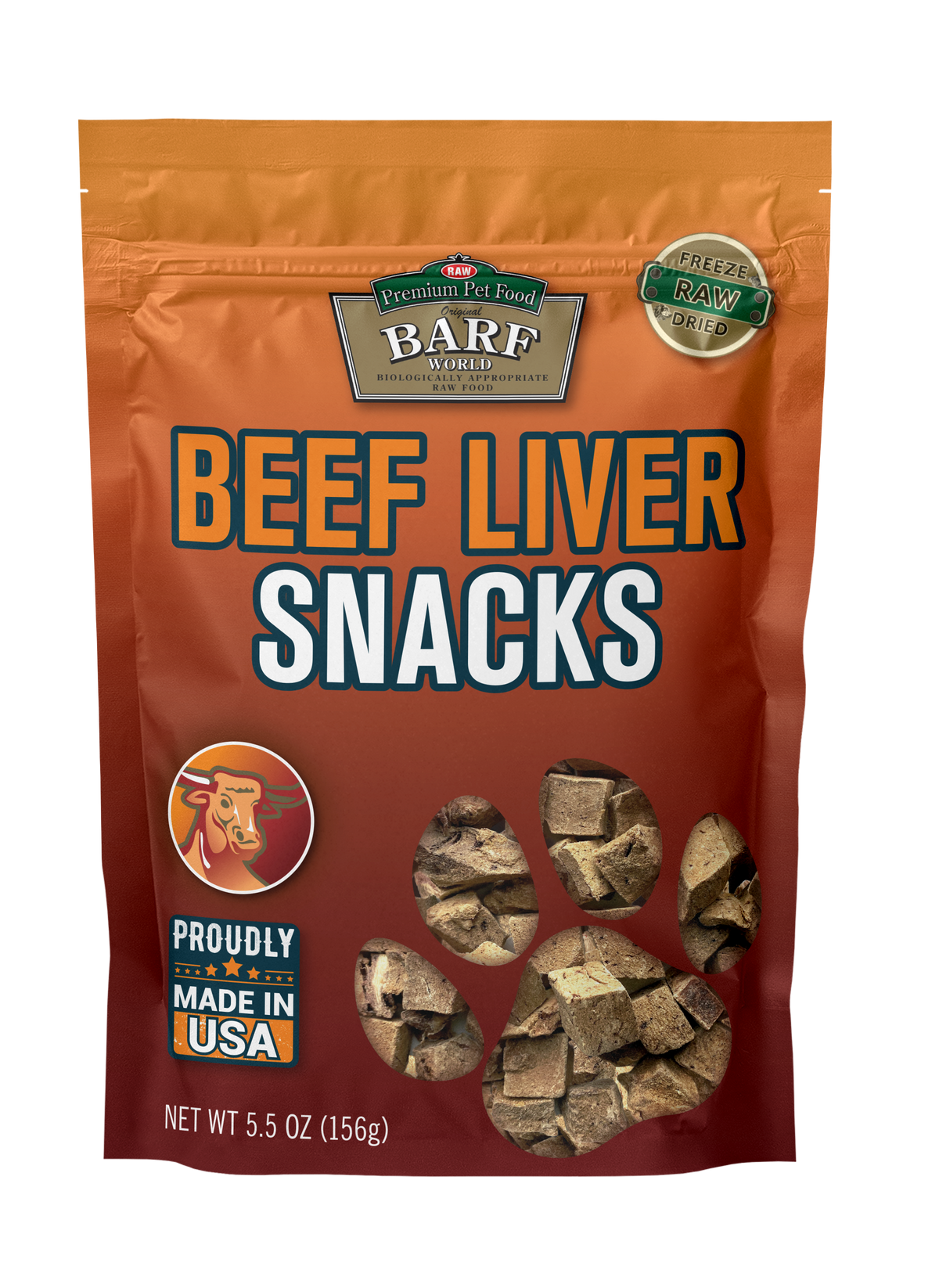
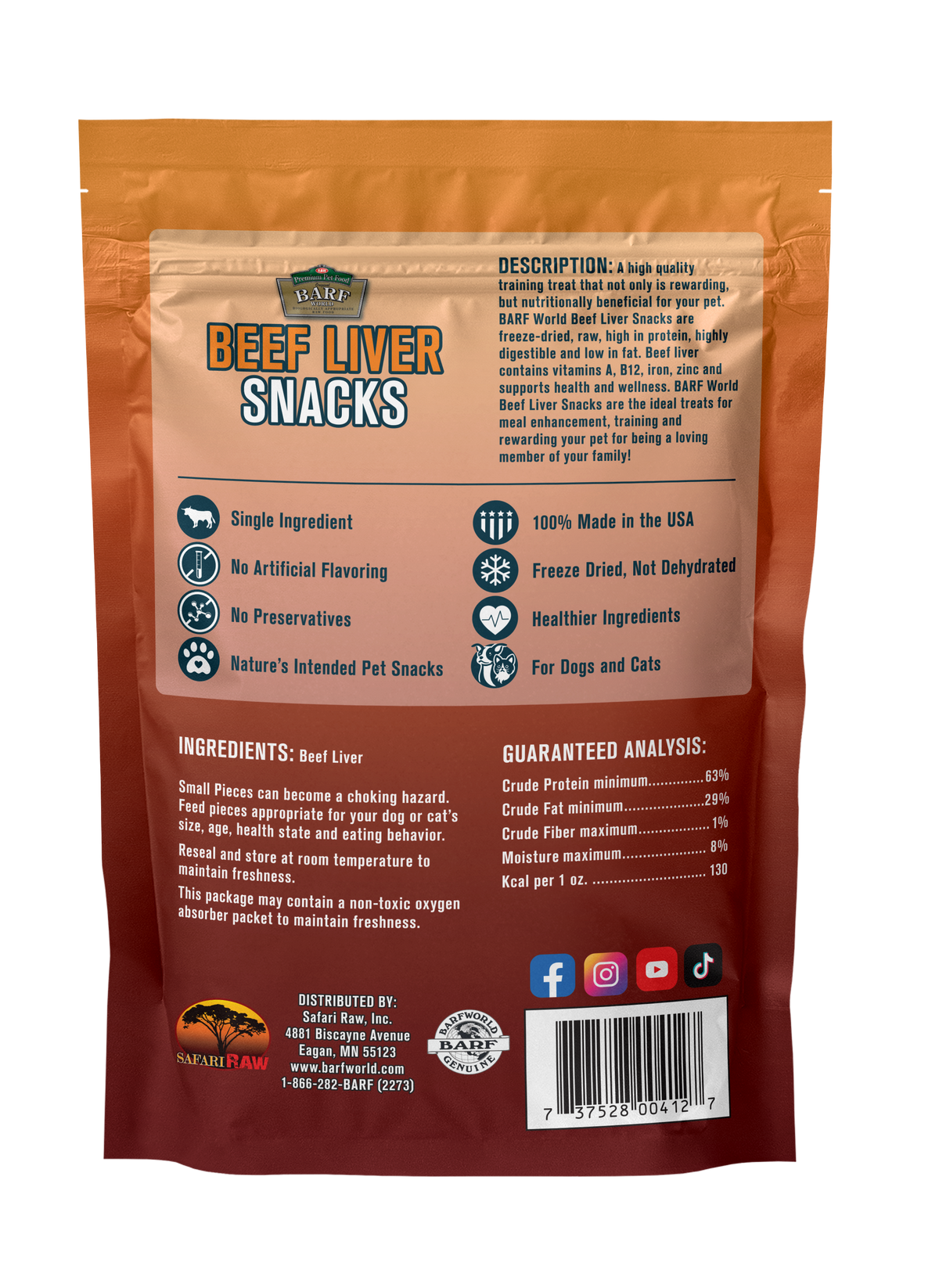

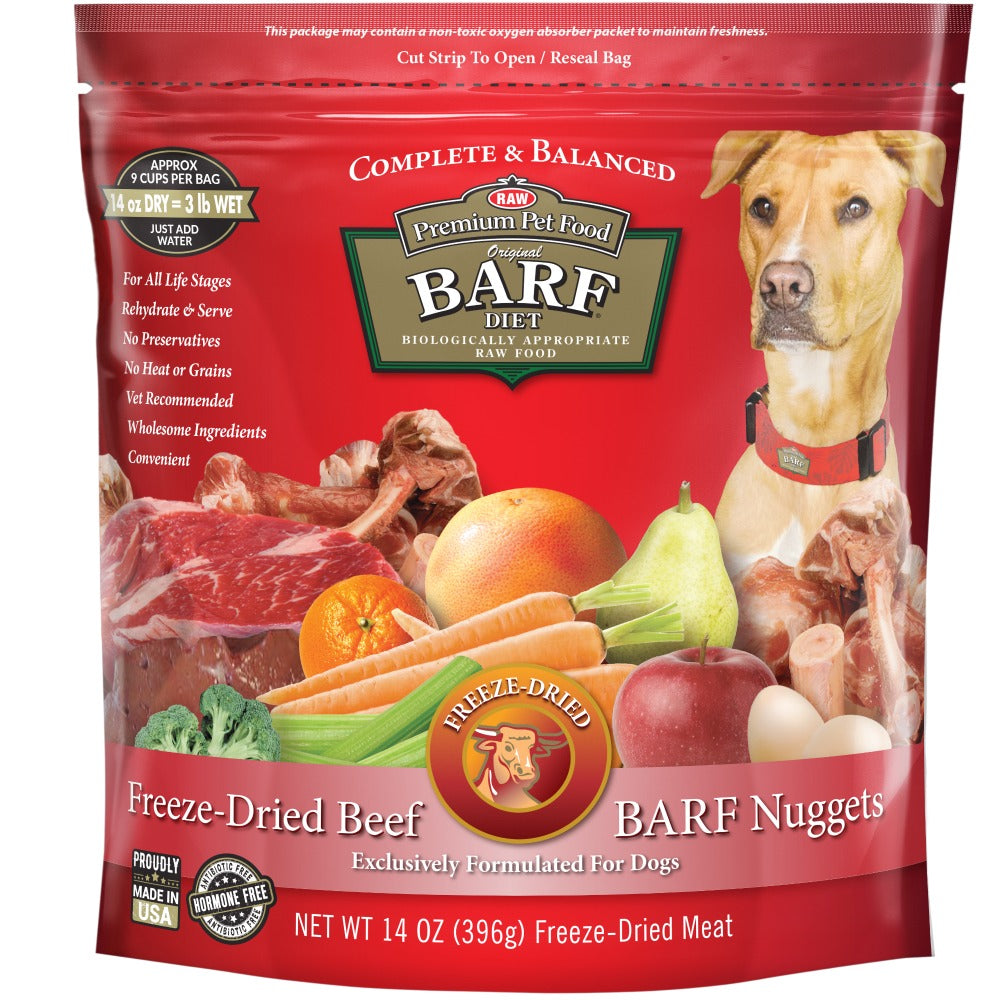
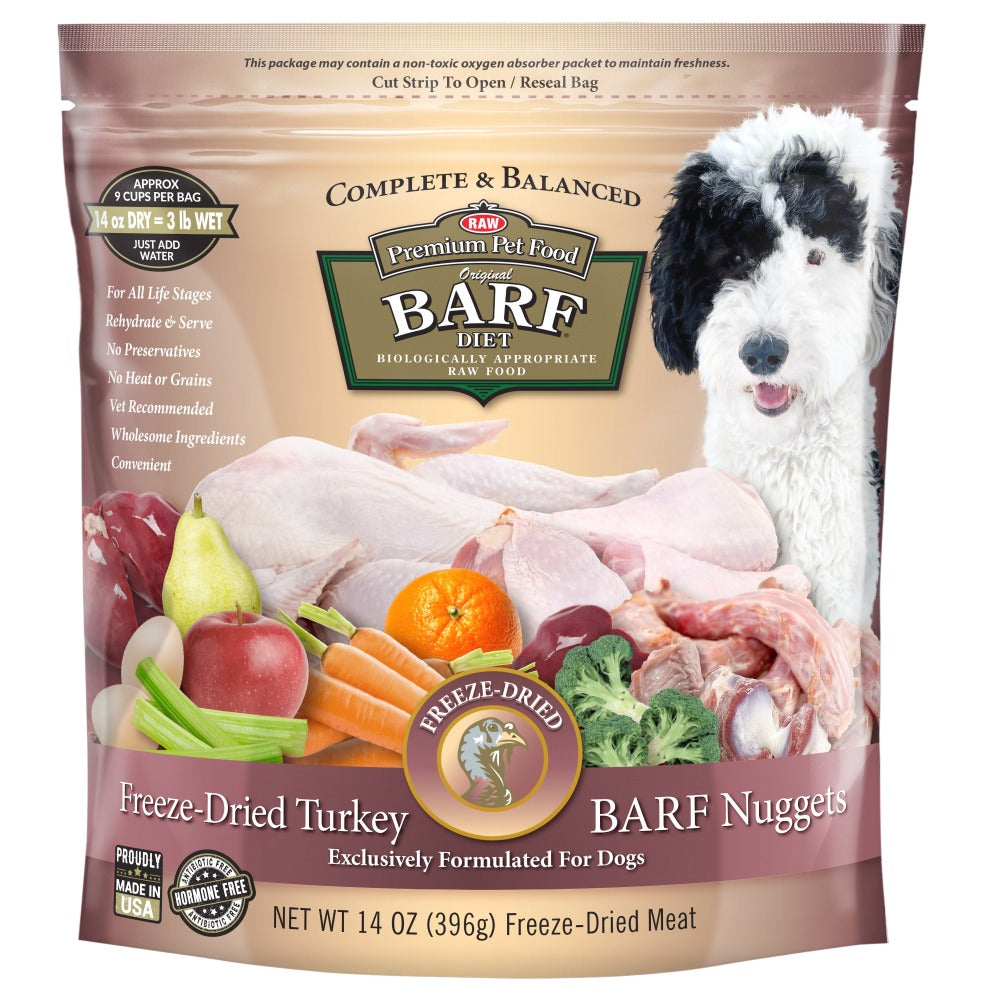
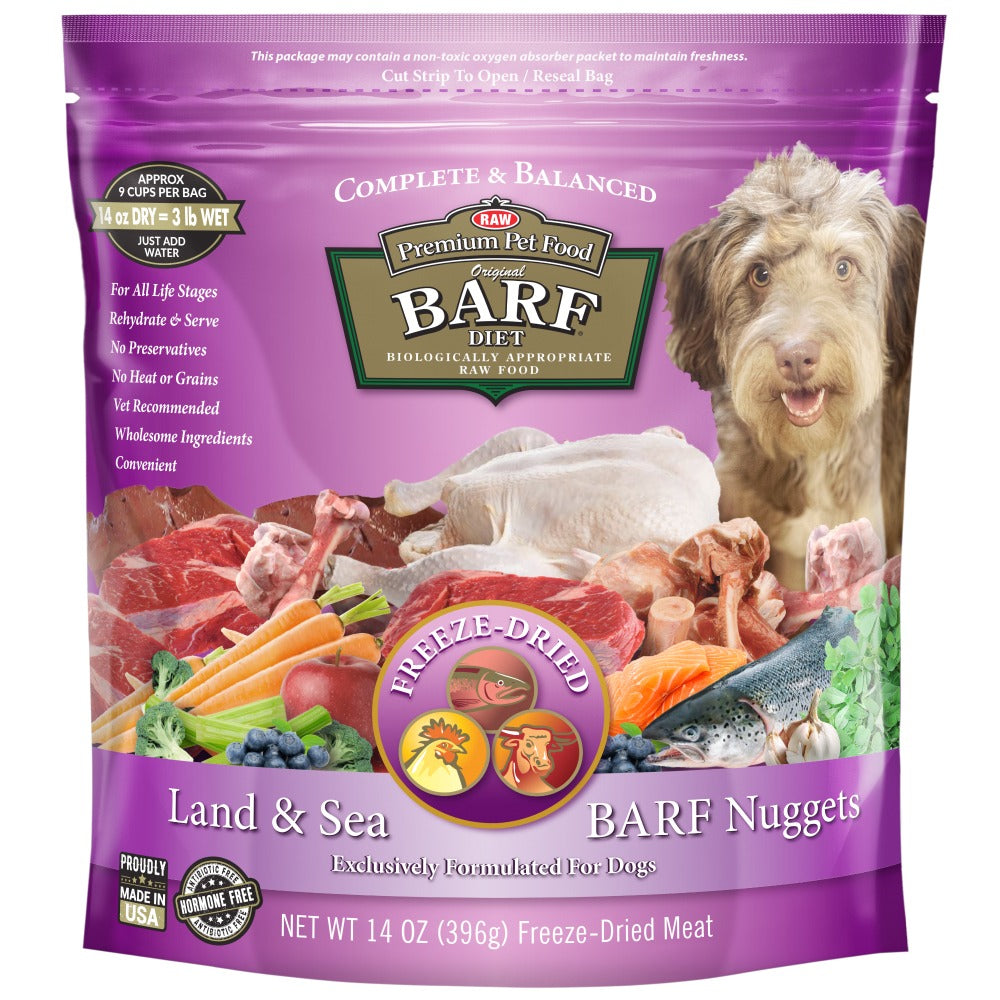
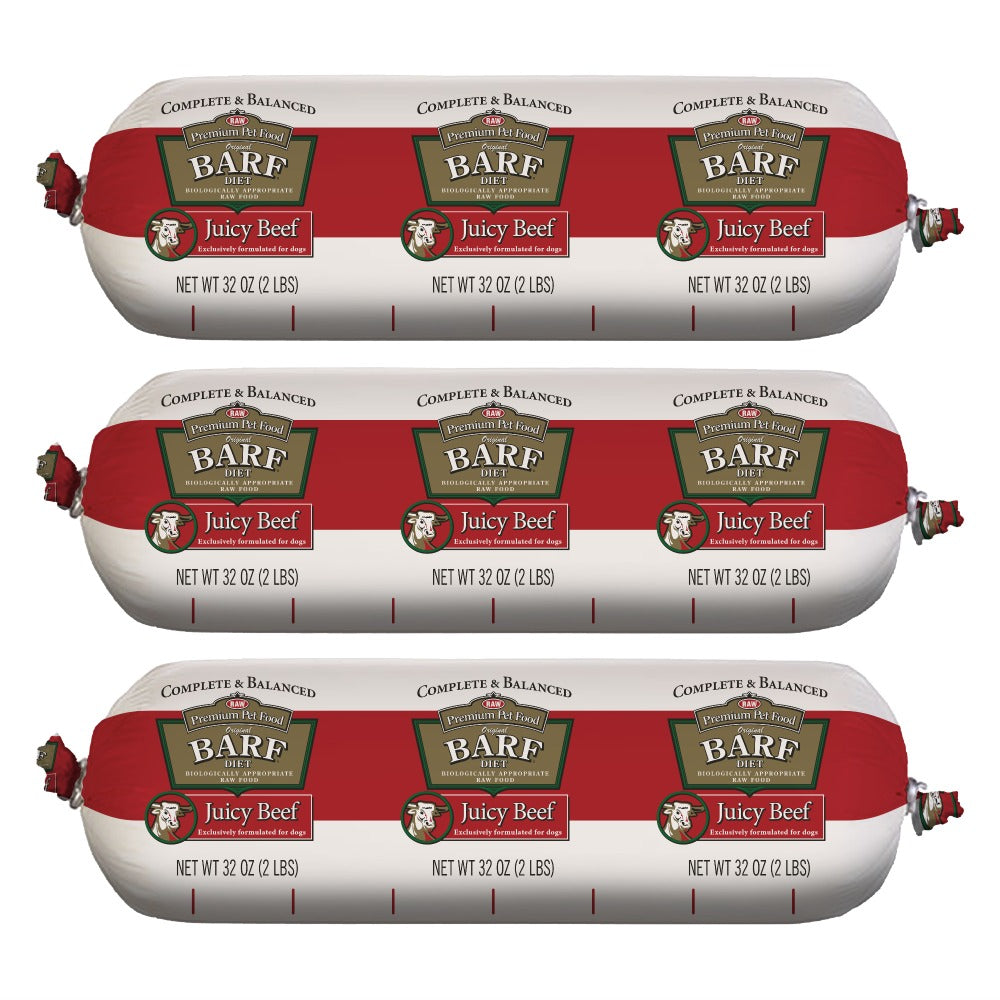
Now that you understand our products’ ingredients, let your pet try them. Shop through the best raw dog food available and give your pet nutrients to support their bodies and minds.